

Fresh news on culture and lifestyle in Texas
Provided by AGP
Food Author Adán Medrano Explains Why Texas Mexican and Tex-Mex Cuisine Are ‘Not the Same’
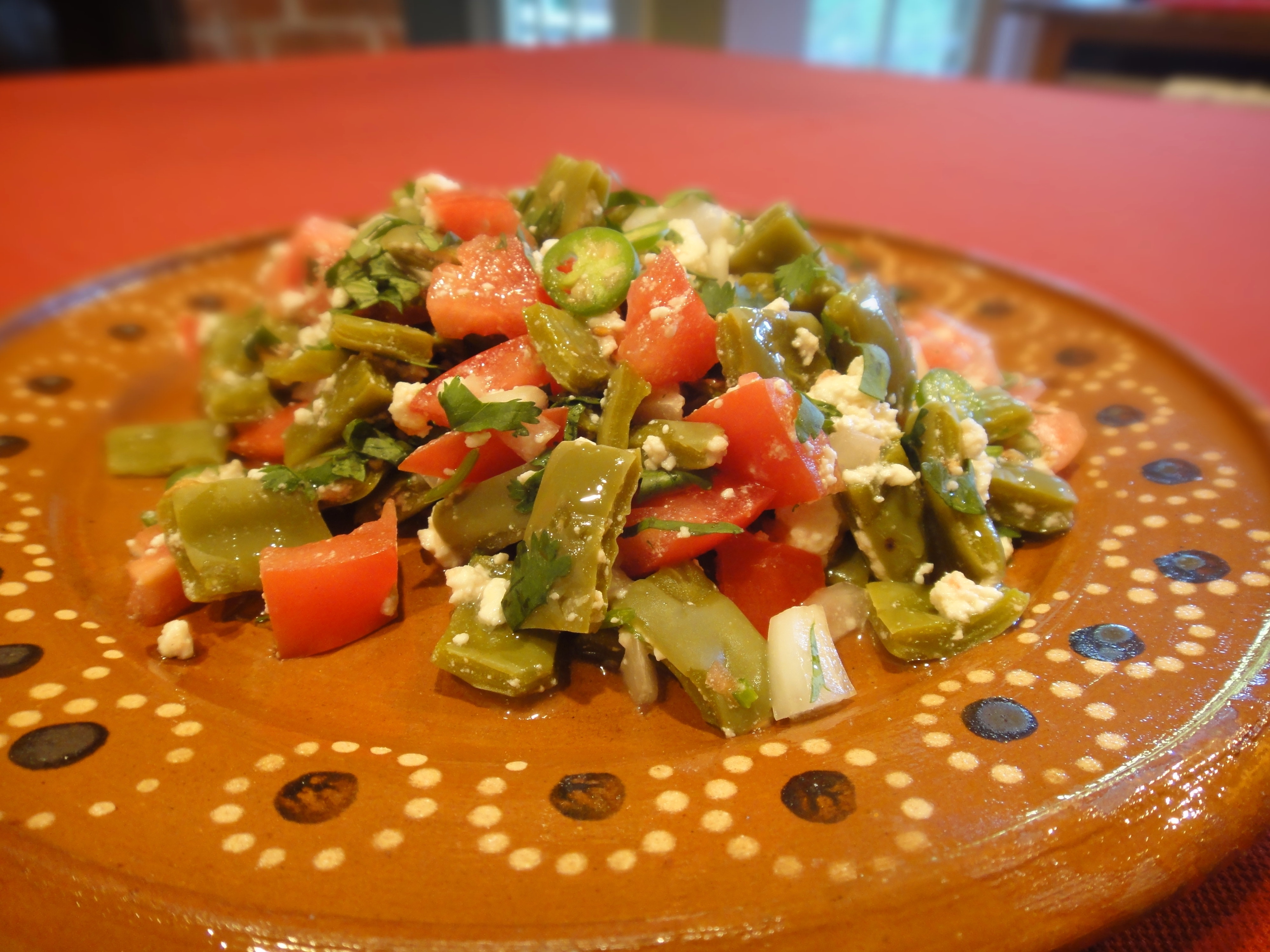
Nopalitos (cactus) salad, a traditional Texas Mexican dish, is not served in Tex-Mex restaurants
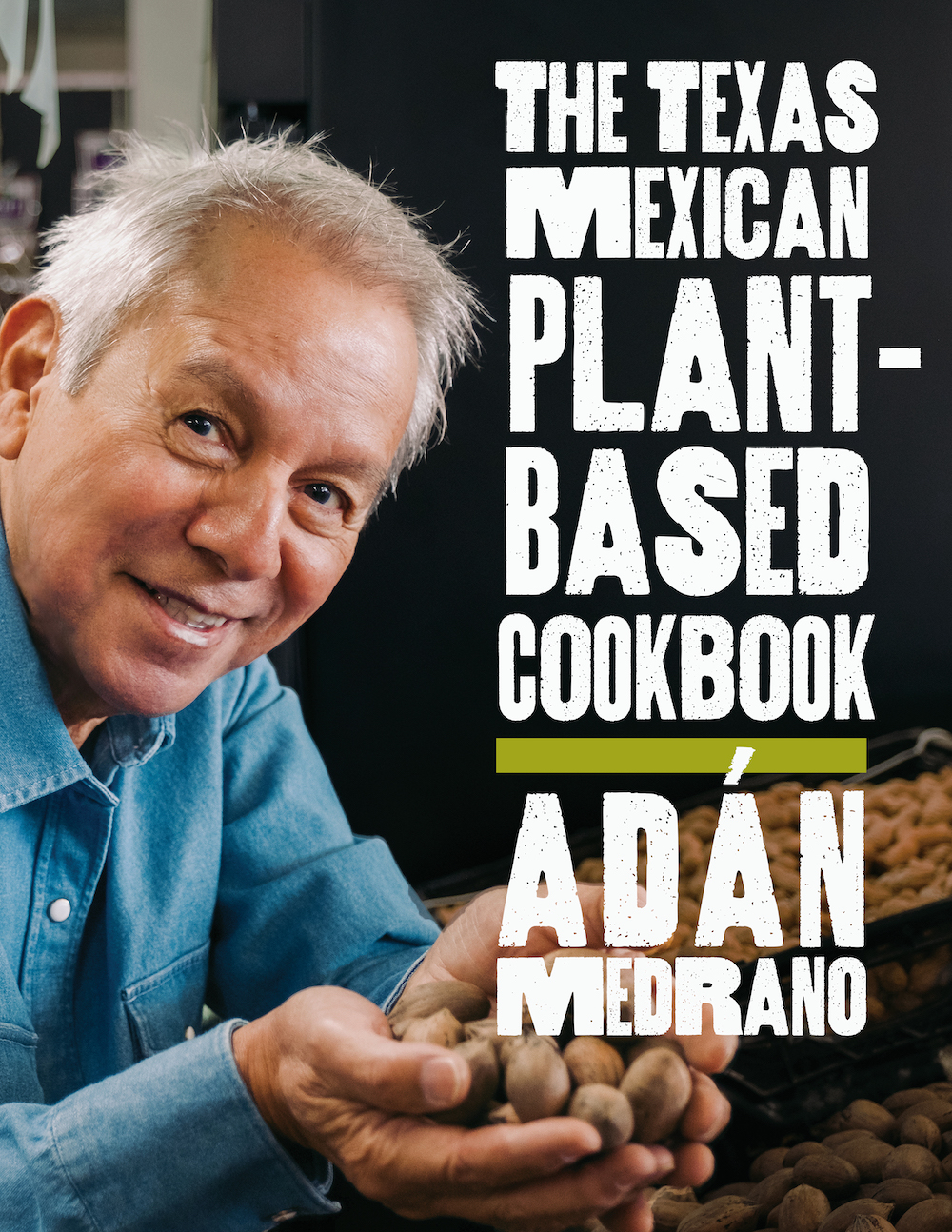
"The Texas Mexican Plant-Based Cookbook" publlished by Texas Tech University Press
Food author Adán Medrano explains how Texas Mexican and Tex-Mex differ in history, flavor and restaurant identity.
Both are beloved by many, but they are in fact very different.”
— Food Author, Adán Medrano
HOUSTON, TX, UNITED STATES, May 16, 2026 /EINPresswire.com/ -- In his new cookbook, "The Texas Mexican Plant-Based Cookbook," chef and food writer Adán Medrano explains that Texas Mexican cuisine and Tex-Mex cuisine are often confused, despite having distinct histories, flavor profiles, and restaurant identities.
“When I make this distinction, I do not disparage,” Medrano writes. “I simply explain that the two types of food are not the same. Both are beloved by many, but they are in fact very different.”
Medrano organizes those differences into three categories: history, flavor profile, and signage. He explains it this way.
–Texas Mexican is the indigenous cooking of Native Mexican American families of Texas whose ancestors arrived and began cooking in what is now Texas 15,000 years ago. The flavor profile favors ancient techniques of roasting, boiling, steaming and drying. Contemporary dishes build upon indigenous traditions and include: nopalitos con huevo, caldo de res, capirotada, fideo, carne guisada, machacado, and powdered shrimp croquettes during Lent. Family cocineras/os call it “Comida Casera,” home-style cooking. In their outside signage, these restaurants use the term, and identify as: Mexican restaurant.
–Tex-Mex is the Texas restaurant cooking that became popular around the 1930’s when Anglo-run restaurants began to imitate the flavors of indigenous Texas Mexican food. The flavor profile favors mainly the technique of deep fat frying. Contemporary dishes build upon the dishes of “Comida Casera” but increase the use of cumin and also of yellow cheese, using it as a topping for most plates. Tex-Mex restaurants will not serve the core Texas Mexican dishes like caldo de res, nopalitos con huevo, fideo or machacado. In their outside signage these restaurants prominently use the term and identify as: “Tex-Mex,” v.g. Chuy’s Tex-Mex; Gringo’s Tex-Mex, etc.
In his new cookbook, "The Texas Mexican Plant-Based Cookbook," Medrano presents these distinctions as part of a broader effort to document the culinary history and traditions of Texas Mexican cooking through a plant-based approach.
Adan Medrano
JM Communications
+1 713-392-5744
email us here
Visit us on social media:
LinkedIn
Instagram
Facebook
X
Legal Disclaimer:
EIN Presswire provides this news content "as is" without warranty of any kind. We do not accept any responsibility or liability for the accuracy, content, images, videos, licenses, completeness, legality, or reliability of the information contained in this article. If you have any complaints or copyright issues related to this article, kindly contact the author above.
