

As Healthcare Prices Rise, Texas Lawmakers Focus on Affordability

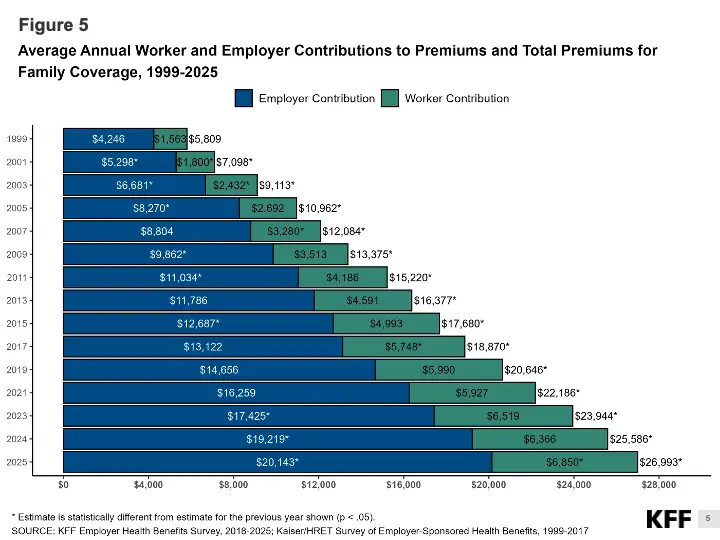
Source: KFF Employer Health Benefits Survey, 2018-2025
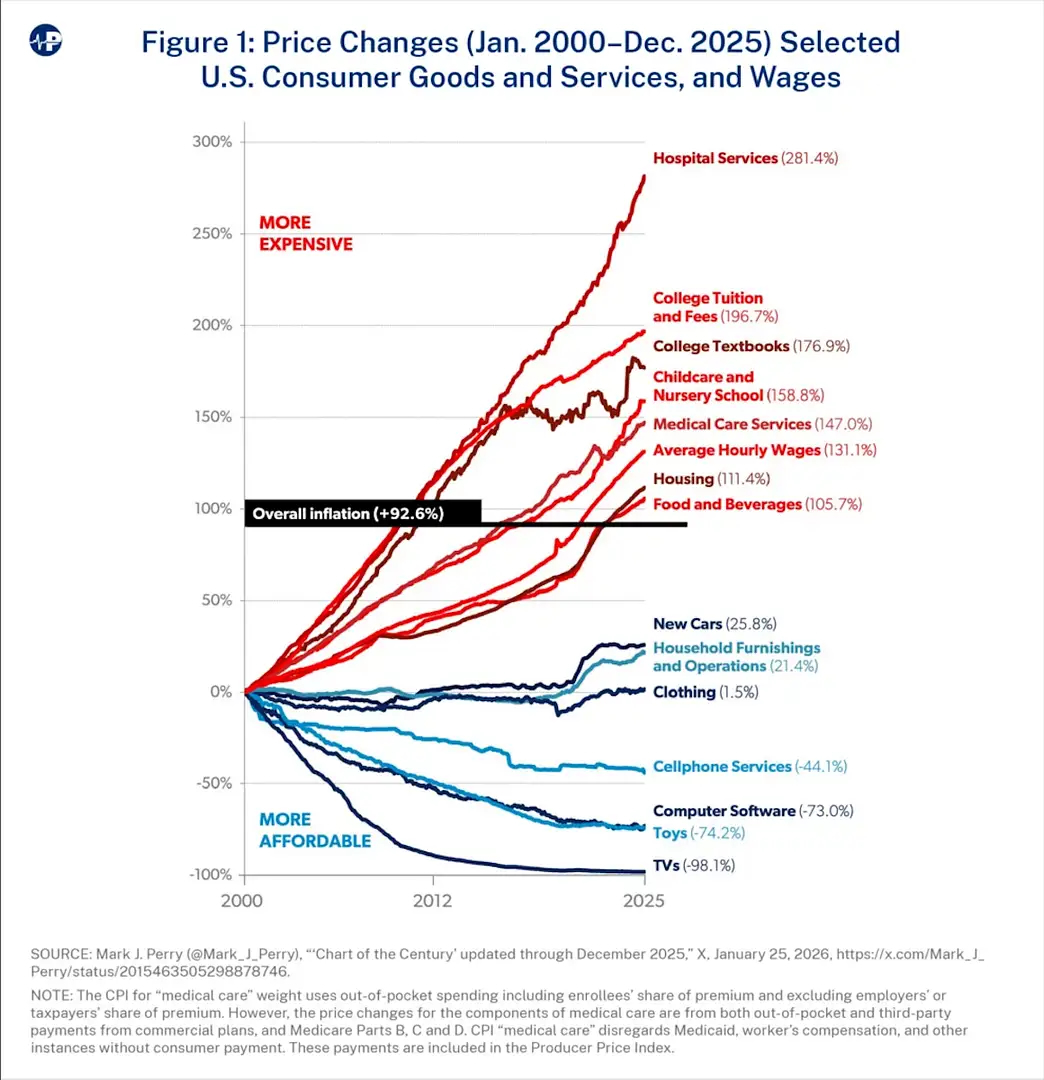
Hospital prices have surged three times faster than inflation since 2000 and more than twice as fast as wages
Bipartisan momentum builds in both chambers; a Healthy Markets framework can address the root causes of high healthcare prices.
AUSTIN, TX, UNITED STATES, May 27, 2026 /EINPresswire.com/ -- As the Texas Senate Health and Human Services Committee meets today to look into what’s driving rising healthcare prices, lawmakers continue to advance one of the most significant affordability efforts in years, a top priority for Texans.
The Senate panel, chaired by state Sen. Lois Kolkhorst, R-Brenham, and vice chaired by state Sen. Charles Perry, R-Lubbock, is holding its hearing alongside the creation and first hearings by the House Select Committee on Health Care Affordability, chaired by state Rep. James Frank, R-Wichita Falls, and vice-chaired by state Rep. Toni Rose, D-Dallas.
Both panels are examining the market factors driving prices higher and recommending policy reforms to put patients at the center of healthcare decisions. These oversight efforts in both chambers represent the most concerted effort to address healthcare affordability in Texas in recent memory.
“Texans have made clear that healthcare prices are their top financial concern, and lawmakers in both Texas chambers are responding with urgency,” said Charles Miller, Texas 2036’s director of health and economic mobility policy. “The diagnosis is not in dispute: prices are too high, and they are too high because our healthcare markets lack the transparency, competition and accountability that make markets work for consumers.”
Across the country, healthcare prices have become the top financial anxiety for families — surpassing the price tag for groceries, utilities and housing.
Texas is no exception. According to the Kaiser Family Foundation’s 2025 Employer Health Benefits Survey, average annual employer-sponsored family coverage premiums reached $26,993, or roughly one-third of Texas’ median household income.
More than six in 10 Texans (63%) report skipping or postponing care in the past year because of cost, and nearly half (46%) say it is difficult for them to afford health care, according to the Episcopal Health Foundation’s most recent statewide poll.
“The average employer-sponsored family health plan now costs nearly $27,000 a year — approaching one-third of median household income in Texas,” said Alec Mendoza, Policy Advisor at Texas 2036. “When costs reach that level, healthcare affordability is no longer just a healthcare issue. It becomes an economic threat affecting wages, hiring, family budgets and long-term growth.”
Why Healthcare Prices Are Rising in Texas
Texas 2036’s research points to a simple problem: healthcare prices rise when markets stop working for patients, families and employers.
Through its Healthy Markets framework, Texas 2036 has identified the following three distinguishing features of a healthcare system that works for both patients and employers:
1. Informed. Patients, employers and payers must be able to see the price of care before they receive it. Federal and state price transparency rules have expanded the data available on paper, but significant gaps remain in practice. Obscure billing practices — particularly when hospitals acquire physician practices and bill under hospital identifiers — allow prices to rise without explanation.
2. Competitive. Consolidation among hospitals, insurers, physician practices and pharmacy benefit managers has reduced competition across the healthcare system. Texas has one of the highest share of residents living in highly concentrated hospital markets among peer states. Research consistently shows that when competition declines, prices rise and patients have fewer choices.
3. Accountable. In Texas healthcare, the people ordering the tests, approving the treatments and sending the bills aren’t paying the bill themselves. As a result, they don’t have an immediate stake in keeping bills down. Misaligned incentives across physicians, hospitals, insurers and pharmacy benefit managers reward higher spending instead of better outcomes, leaving families and employers to accept those prices.
The Healthy Markets agenda provides a policy framework for reform, which is essential to building a healthcare market that delivers affordable, high-quality care for all Texans. This allows legislators the option of considering a wide range of fixes on hospital pricing and market consolidation, pharmacy benefit manager practices, price transparency and incentive alignment.
“Many people think healthcare affordability is primarily a federal issue, but states have powerful tools to improve competition, increase transparency and lower costs,” Miller added. “Texas has an opportunity to become a national leader on reforms that make healthcare markets work better for patients, employers and taxpayers.”
###
About Texas 2036
Texas 2036 is a nonpartisan public policy organization dedicated to improving lives and opportunities for all Texans through 2036, Texas’ bicentennial year, and beyond.
Merrill Davis
Texas 2036
+1 713-213-7297
email us here
Legal Disclaimer:
EIN Presswire provides this news content "as is" without warranty of any kind. We do not accept any responsibility or liability for the accuracy, content, images, videos, licenses, completeness, legality, or reliability of the information contained in this article. If you have any complaints or copyright issues related to this article, kindly contact the author above.
