

Counselor Joe Releases Educational Article Examining Why Defensiveness in Relationships Is Often Misunderstood
No more struggling with the questions in life

Life is full of questions, face them without resistance
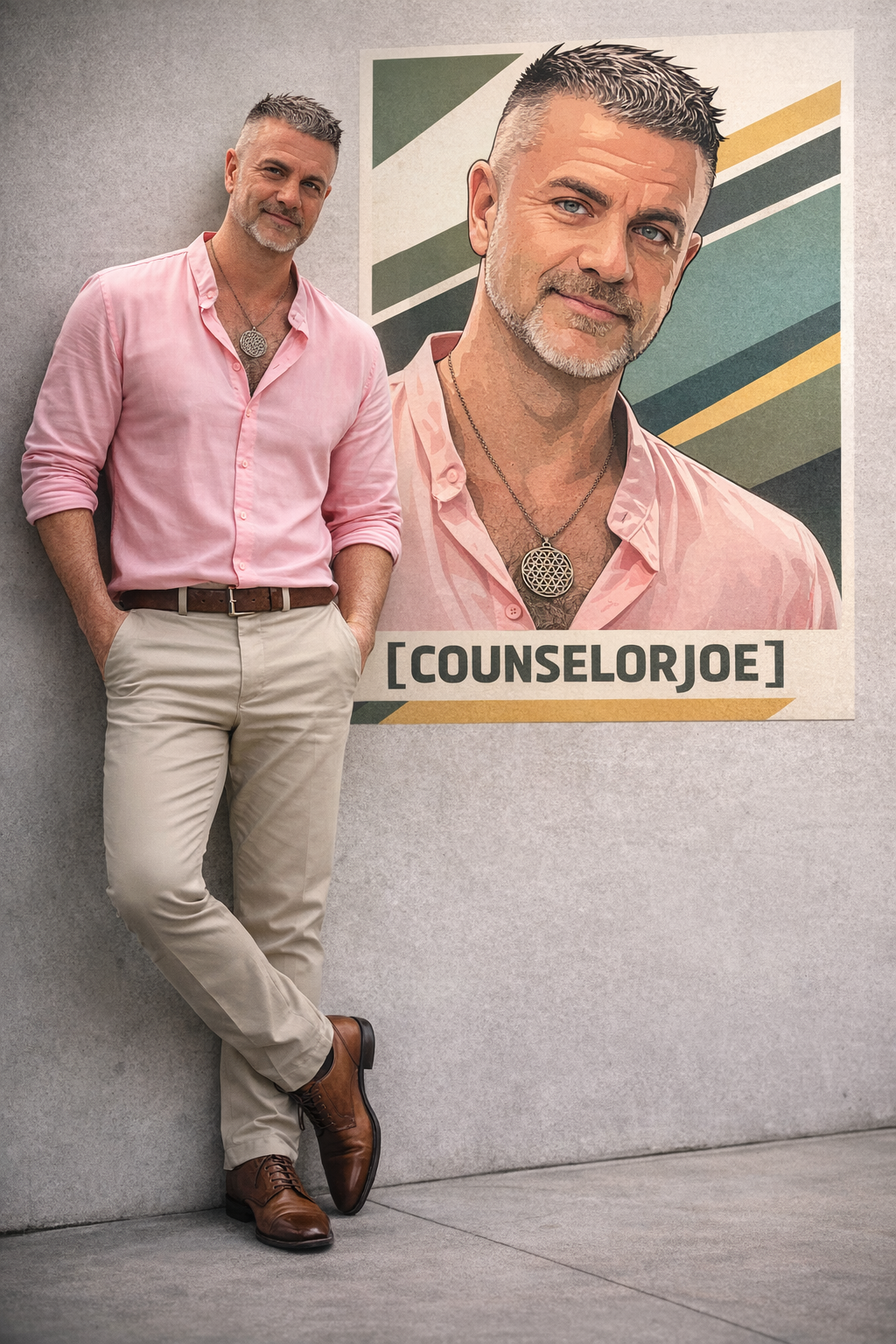
"Counselor Joe" Joseph Hayes MS,LPC,NCC.
Couples rarely fight about the tire, text, or bill. They fight from old wounds. Healing begins when partners hear the fear beneath the Ego's defenses.
Joseph D. Hayes, MS, LPC, NCC, a Texas Licensed Professional Counselor with nearly three decades of clinical experience, has released a new educational article exploring how defensive behavior in intimate relationships may be driven by nervous system survival responses rather than intentional dishonesty.
The publication, When Defensiveness Isn't Dishonesty, examines the psychological processes that often occur beneath common relationship conflicts. Drawing from contemporary trauma research together with concepts from attachment theory, family systems theory, and analytical psychology, the article proposes that many recurring arguments are maintained by unconscious protective responses rather than the issues couples believe they are debating.
According to Hayes, disagreements involving finances, household responsibilities, communication, or everyday decisions frequently become symbolic expressions of older emotional experiences. In these situations, one partner may seek clarity or accountability while the other experiences the interaction through a nervous system conditioned by previous criticism, emotional instability, or chronic conflict.
The article explains that defensive explanations, excessive justification, or apparent avoidance can sometimes represent adaptive survival strategies developed long before the current relationship began. While these behaviors may appear resistant or dishonest to a partner, they may instead reflect automatic attempts to reduce shame, prevent rejection, or maintain emotional safety.
Hayes emphasizes that recognizing these underlying processes does not diminish the importance of honesty or personal responsibility. Rather, understanding the function of defensive behavior may create conditions that allow accountability and repair to occur more effectively.
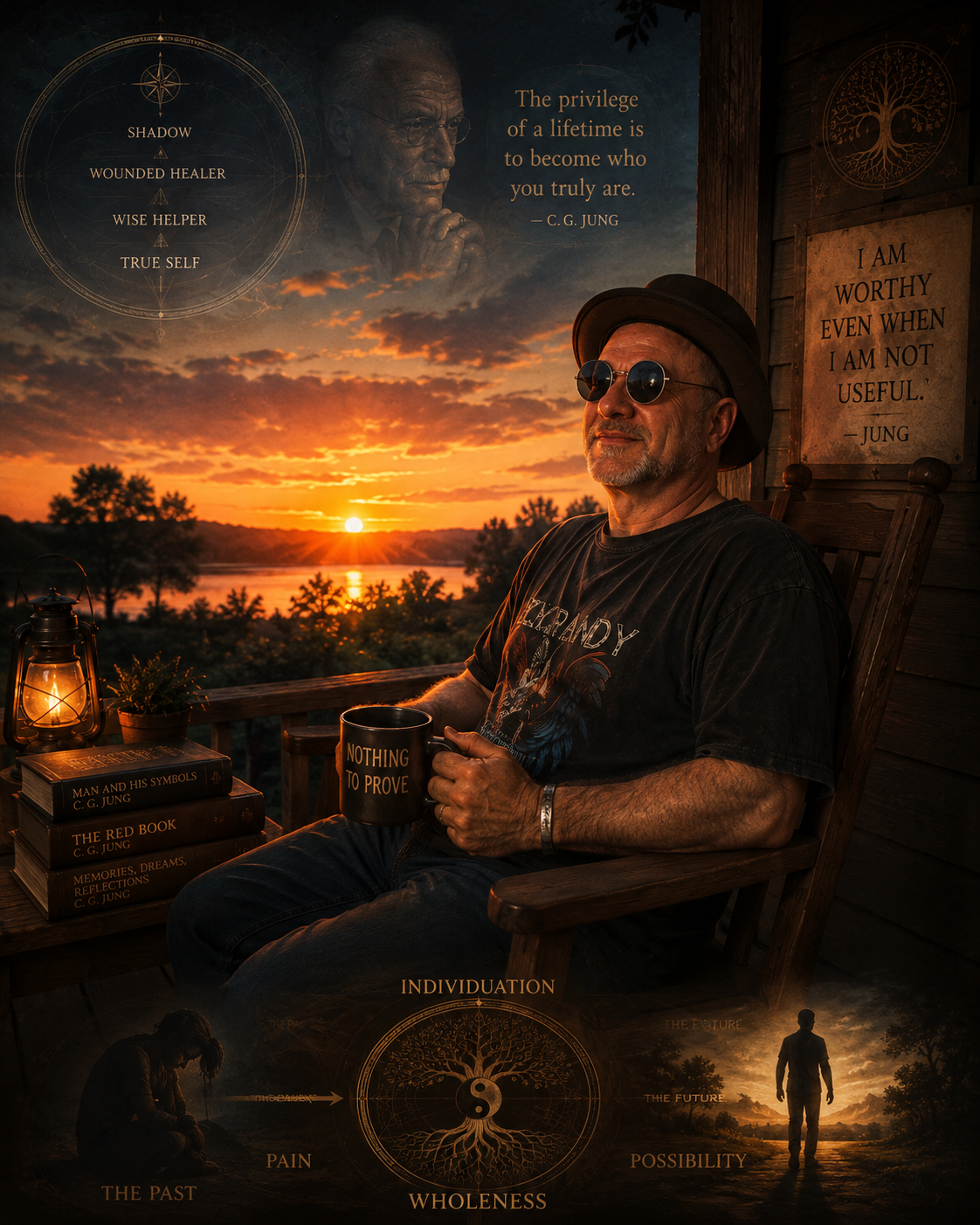
The educational release also discusses concepts associated with Swiss psychiatrist Carl Jung, particularly the distinction between observable behavior and the unconscious meanings individuals assign to interpersonal events. It further references principles from Bowen Family Systems Theory, noting that anxiety within intimate relationships often becomes cyclical as each partner reacts not only to present circumstances but also to unresolved emotional experiences carried forward from earlier stages of life.
The article suggests that couples frequently become organized around one another's anxiety instead of the original disagreement, creating repetitive patterns in which pursuit, explanation, criticism, withdrawal, and defensiveness reinforce one another over time.
Hayes notes that shifting attention from determining which partner is "right" toward understanding what each person's nervous system is attempting to protect may reduce escalation and improve therapeutic outcomes. The perspective encourages curiosity alongside accountability without minimizing harmful behavior or excusing deception.
"Many couples discover that the conflict they believe they are having is not the conflict their nervous systems are experiencing," said Joseph D. Hayes, MS, LPC, NCC. "When therapy begins exploring the fears beneath defensive behavior rather than only the behavior itself, conversations often become more productive, compassionate, and emotionally honest."
Hayes has worked with adults and veterans since 1998 and specializes in trauma treatment, anxiety disorders, relationship dynamics, and Eye Movement Desensitization and Reprocessing (EMDR). His clinical work frequently integrates evidence-informed trauma treatment with attachment theory, family systems concepts, and Jungian perspectives to help individuals better understand longstanding emotional patterns.
The newly released article is intended as an educational resource for clinicians, educators, couples, and individuals interested in understanding how trauma, attachment history, and unconscious emotional processes influence communication and relationship functioning.
About Joseph D. Hayes MS,LPC,NCC. "Counselor Joe"
Joseph D. Hayes, MS, LPC, NCC, is a Licensed Professional Counselor based in Mount Pleasant, Texas. He has provided counseling services to adults since 1998 and works extensively with veterans, trauma survivors, anxiety disorders, relationship concerns, and EMDR therapy. Hayes regularly publishes educational materials focused on trauma-informed counseling, emotional resilience, and psychological growth. He is well known for his ability to break complex psychological issues down for better understanding by his adult clients. He is particularly fond of working with veterans, first Responders with PTSD.
Joseph Hayes MS,NCC,LPC
Joseph Hayes MS,NCC,LPC
+1 903-285-5121
Joseph@counselorjoe.com
Visit us on social media:
Facebook
Legal Disclaimer:
EIN Presswire provides this news content "as is" without warranty of any kind. We do not accept any responsibility or liability for the accuracy, content, images, videos, licenses, completeness, legality, or reliability of the information contained in this article. If you have any complaints or copyright issues related to this article, kindly contact the author above.
